
The Myth of Skill in Games of Chance
Many gamblers believe that certain games, such as slots or roulette, can be influenced by skill. The reality is that these games are predominantly based on chance. While players can adopt strategies to manage their bankrolls or enhance their playing experience, the outcome is fundamentally random. Understanding this distinction is crucial for setting realistic expectations and enjoying the thrill of gambling without the burden of misplaced confidence. For those looking for a reliable venue, our guide features a selection of trusted online casino canada options.
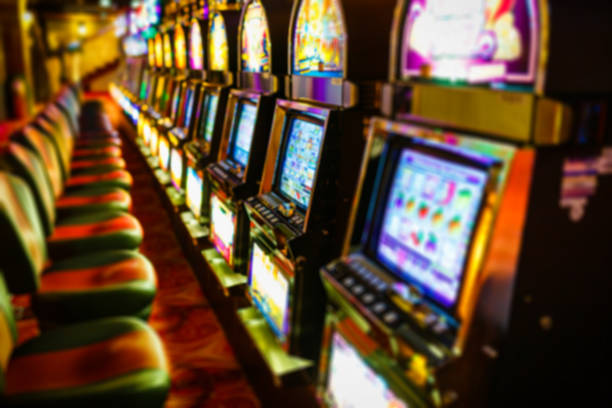
Players often fall victim to the misconception that previous outcomes can predict future results. This is particularly evident in games like roulette, where individuals may believe a certain number is “due” to win after a series of losses. This gambler’s fallacy can lead to poor decision-making and greater losses, emphasizing the need for a rational approach to gaming.
The Illusion of Hot and Cold Streaks
The belief in hot and cold streaks is a pervasive myth in gambling circles. Many players feel that if a machine or table has been “cold” for a while, it must soon pay out. Conversely, they may think a hot streak indicates that a game is likely to continue delivering wins. In truth, each spin or deal is independent, and past performances do not affect future outcomes. Understanding this concept can help players avoid emotional decisions driven by superstition.
This myth often leads players to chase losses or stay longer than intended at a table or machine that hasn’t been paying off. By recognizing that luck is random, gamblers can develop healthier attitudes toward winning and losing, ultimately enhancing their overall experience.
Gambling as a Reliable Income Source
Another common misconception is the idea that gambling can serve as a steady source of income. While there are professional gamblers, they are the exception rather than the rule. The majority of players find that gambling should be viewed as a form of entertainment rather than a viable financial strategy. The odds are typically stacked in favor of the house, making it far more likely for players to experience losses over time.
This understanding is vital for anyone engaging in gambling activities. By treating it as a leisure activity with an inherent risk of loss, players can enjoy their time without the pressure of viewing it as a means of financial survival. Setting aside a budget for entertainment expenses can promote responsible gaming and help prevent potential financial pitfalls.
The Role of Psychology in Gambling Behavior
The psychology of gambling plays a significant role in how individuals perceive and interact with games. Many players are influenced by cognitive biases, leading to distorted views on luck and skill. For instance, confirmation bias can cause individuals to focus on their wins while ignoring losses, creating a false sense of proficiency. This psychological aspect can lead to a cycle of chasing losses or becoming overly confident after a win.
Understanding the psychological triggers that drive gambling behavior is crucial for responsible play. Awareness of these factors can empower players to make informed decisions and recognize when they are falling prey to emotional patterns. As such, fostering a healthy mindset is essential for maintaining a balanced approach to gaming.

Finding Reliable Information and Resources
For those seeking to navigate the world of gambling, it’s essential to rely on credible sources of information. Various platforms offer insights into responsible gaming practices, the nature of different games, and effective strategies. Understanding the landscape of gambling can significantly enhance a player’s experience and reduce the risk of developing harmful habits.
Engaging with expert analysis and comprehensive guides can empower players to make informed choices. By staying informed and aware, individuals can enjoy the thrill of gambling responsibly and recognize the importance of balance in their gaming activities.
